
1. What would you expect to have to do if you had to do the following tests? Write notes.
a an audition for a music group or an orchestra: ……………………………………………
b an audition for a play: ……………………………………………
c an interview for a new job: ……………………………………………
d a trial for a place on a sports team: ……………………………………………
e a language oral exam: ……………………………………………
2. Read the information about the following people. Listen and say which one of the three people you thin k is talking.
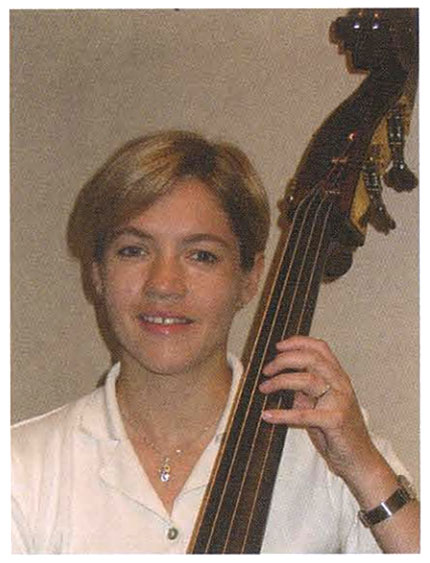
Susan Bakewell is a hospital nurse who works with children. In her spare time she plays the double bass. She has to audition to get into a local orchestra.
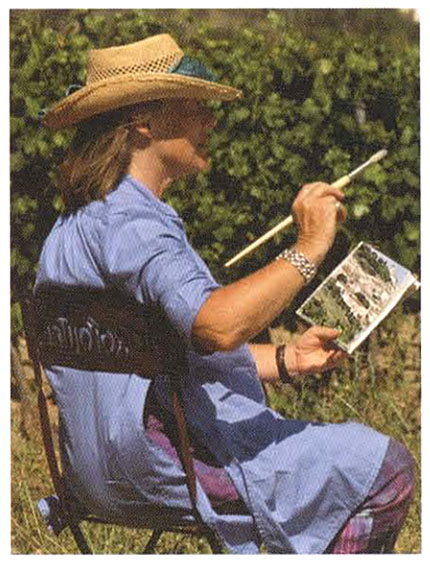
Susan Blewitt is an immigration officer. When she is not working, Susan paints pictures of the countryside, and studies Russian. She has a Russian oral exam coming up.
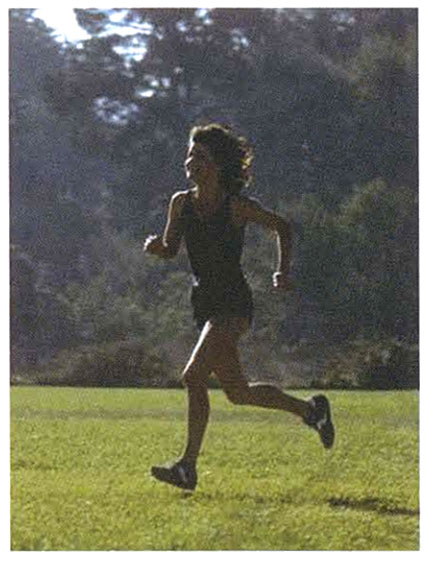
Susan Shellworth is a lawyer, but away from work she spends all her time training at her local athletics track. She's hoping to compete in the next Olympic Games.
Answers
1
Example answers
a play a prepared piece of music, play some scales (eight notes going up, eight notes going down), do some sight- rea ding (being given a piece of music you don 't know and playing it straight away)
b act a prepared speech, read an extract from a play
c answer questions, wear decent clothes, ask questions
d play some of a game, train with the team, take a fitness test
e describe a picture, answer questions, talk to other students
2
The speaker is the nurse, Susan Bakewell.
Audioscripts
SUSAN: … because you wonder what - you know I wondered, 'What on earth am I doing here?' I thought. 'I may as well go home now' ... umm ... but I thought, 'No, I'm here I may ... you know, I've, I've got this far I may as well just see it through another 15 minutes and I can be out of here then, you know, if it goes all horribly wrong I never have to see these people again.'
3. Listen and answer these questions.
a Which of the five tests from Exercise 1 was the speaker involved in? ……………………………………………
b Was she successful or not? ……………………………………………
c What did the speaker think of the experience? ……………………………………………
4. Match the words and phrases with their definitions.
|
a accompanist |
a quick rehearsal of a piece of music |
|
b in tune |
a series of notes going up and down with fixed intervals between them |
|
c run-through |
playing the music straight away, the first time you see it |
|
d scale |
usually a pianist who plays along with the solo player |
|
e sight-reading |
when the notes sound right, rath er than ugly, because they are not too high or too low |
5. Listen again and answer the questions.
a What three things did the speaker have to do in the audition?
………………………………………..
b How many people were in the room?
………………………………………..
c What day was the audition?
………………………………………..
d What day was the next orchestra practice?
………………………………………..
e Who did the speaker phone to talk about the audition?
………………………………………..
f When did the speaker know if she had been successful?
………………………………………..
Answers
3
a A music audition.
b Yes, she was successful.
c She hated it.
4
a usually a pianist who plays along with the solo player
b when the notes sound right, rather than ugly, because they are not too high or too low
c a quick rehearsal of a piece of music
d a series of notes going up and down with fixed intervals between them
c playing the music straight away, the first time you see it
5
a In the audition she had to play a piece of music with an accompanist, sight-read a piece of music, and play a scale.
b There were four people in the audition room (Susan, the accompanist and the two people auditioning).
c Saturday.
d Monday,
e She spoke to her parents about it.
f At the rehearsal on Monday.
Audioscripts
SUSAN: Umm ... went into a room where you could practise and then the accompanist came in and had a quick run-through ... umm ... and so you're waiting in a little room and you can hear other people auditioning who sound ren times better than you, which then makes you even more frightened because you wonder what - you know I wondered, 'What on earth am I doing here?' I thought, 'I may as well go home now' ... umm ... but I thought, 'No, I'm here I may - you know, I've, I've got this far l may as well just see it through another 15 minutes and I can be out of here then, you know if it goes all horribly wrong I never have to see these people again.' ... umm ... So then went into a room where there was two people who were auditioning you and the accompanist and you sat down with the music and played the accompanist accompanied piece ... umm ... and, er ...
INTERVIEWER: How did that go?
SUSAN: Some mistakes. I was just ...
INTERVIEWER: Because I bet you ca n remember just about every minute of it.
SUSAN: Oh, it was horrible. I hated it. Absolutely dreadful. I, I made mistakes. And I think because I was nervous I made mistakes ... umm ... and I wasn't used to playing with an accompanist because I don't have anybody to just practise with at home ... umm ... and any little mistake you make you think they're gonna, they know that you've made a mistake, they’re very good musicians, they are going to be thinking 'Oh, she's dreadful, what on earth is she doing?' and I sort of breathed a huge sigh of relief when I ground to a - the end and nearly nearly felt like crying - I don't know, out of relief or just nerves that you've got to the end, yeah, just absolutely ... er ... it's w - a horrible moment moment ... erm ... and then they gave a piece of sight-reading to do, which wasn't too bad, actually it was better than I'd - had thought, and then a scale, I played a scale - I was so relieved when I played it in tune ... which is always a bit of a bonus when playing a scale, and then, and then they said to me, they said, 'Oh ... umm ... will you be at orchestra on Monday?' because this was on a Saturday and I said. 'Well, kind of depended on today really', and they said, I said, 'When will I get to know? ' and they said that the person who sorts out the auditions would phone me ... umm ...and so they said, 'Oh come along on Monday', so I thought, well, do I take that as a 'yes' or do I rake that as … umm ...? You know, you just don't know, so I went home and I was actually going out that evening and quickly phoned my parents and said, 'Er; dreadful! Horrible! They'll ring me', and nobody phoned me for the rest of the weekend, Monday evening ca - time to go to orchestra, nobody had phoned me so I thought, well I'd better go because nobody's told me not to go, and ... umm ... they - someone came up to me just before we started and – no, actually, I think it was in the interval - and said, 'Oh I'm pleased you got in', which after all that, ‘n’ you know to me it was such a big thing - you know. I'd been practising for a long time - when it's something that you want to do and just suddenly … err ... you're in.